A living art form, from ancient courts to contemporary stages.
An introduction to the traditions, techniques, costumes, and heritage that shape Chinese dance today.
What is Chinese Dance?
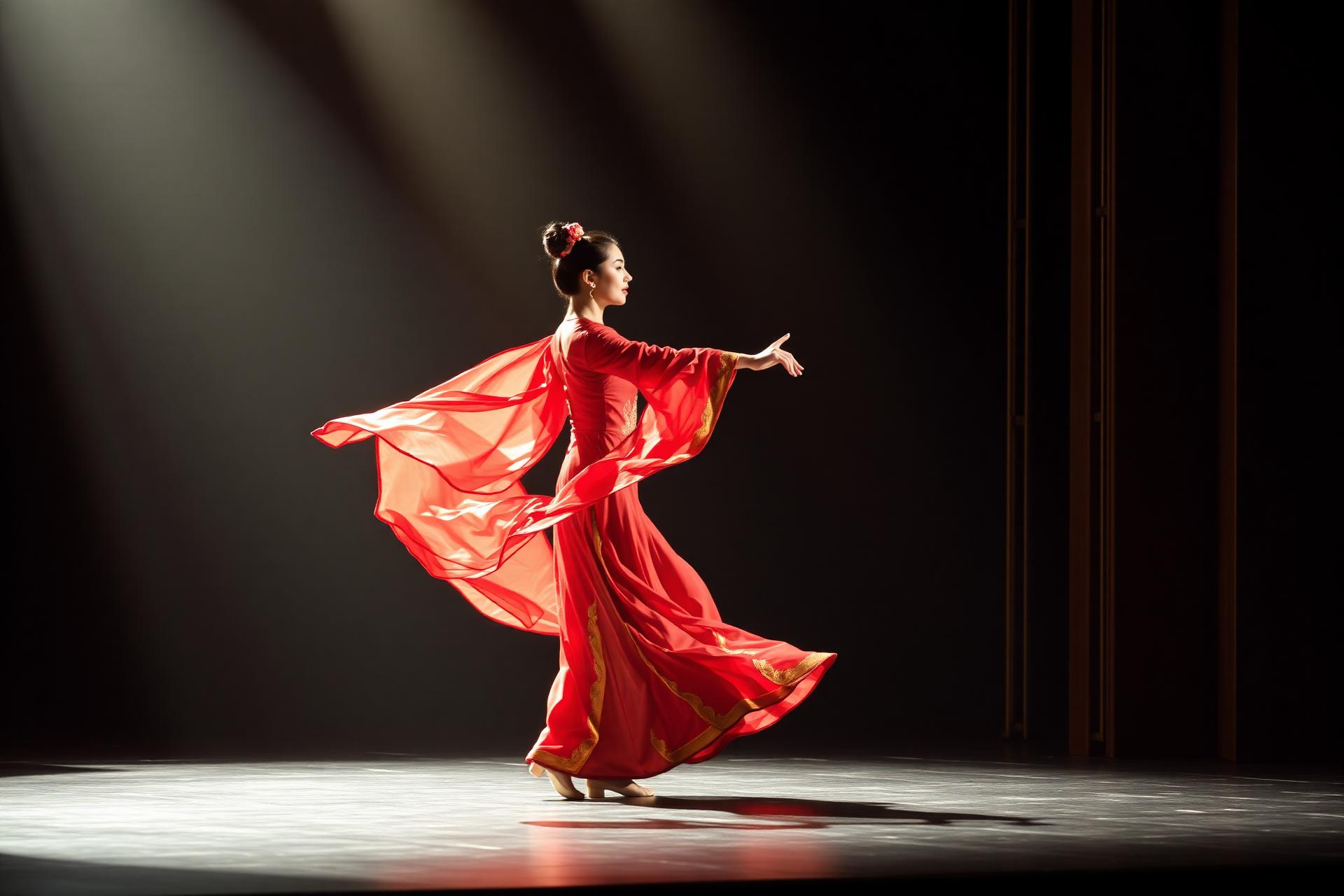
Chinese dance is a living tradition spanning thousands of years — a language of movement that carries philosophy, poetry, ritual, and regional identity. It encompasses classical, folk, and contemporary forms.
Chinese Classical Dance
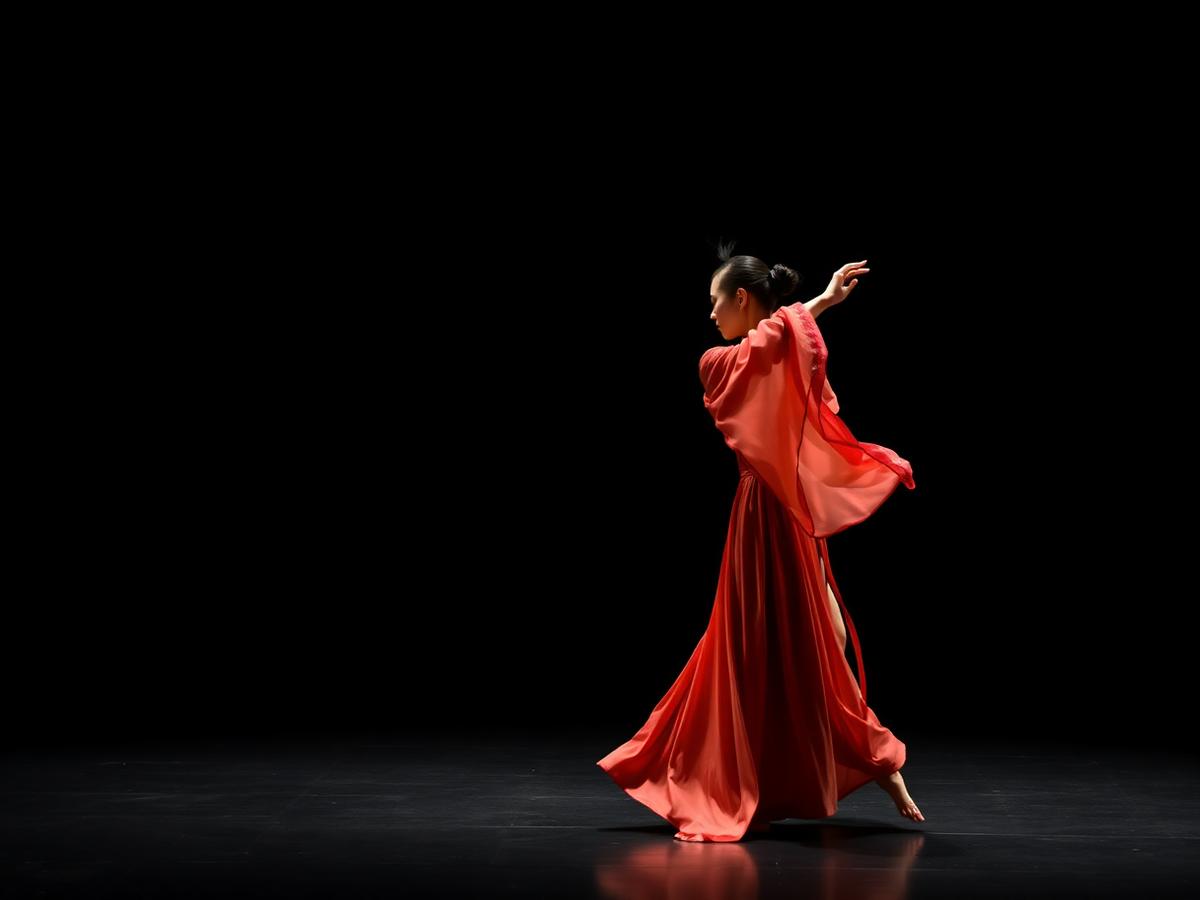
Rooted in ancient court traditions, opera, and martial arts, classical dance emphasizes shen yun (spirit and rhyme), body form, and precise technique — including water sleeves, silk fans, and ribbon work.
Chinese Folk Dance
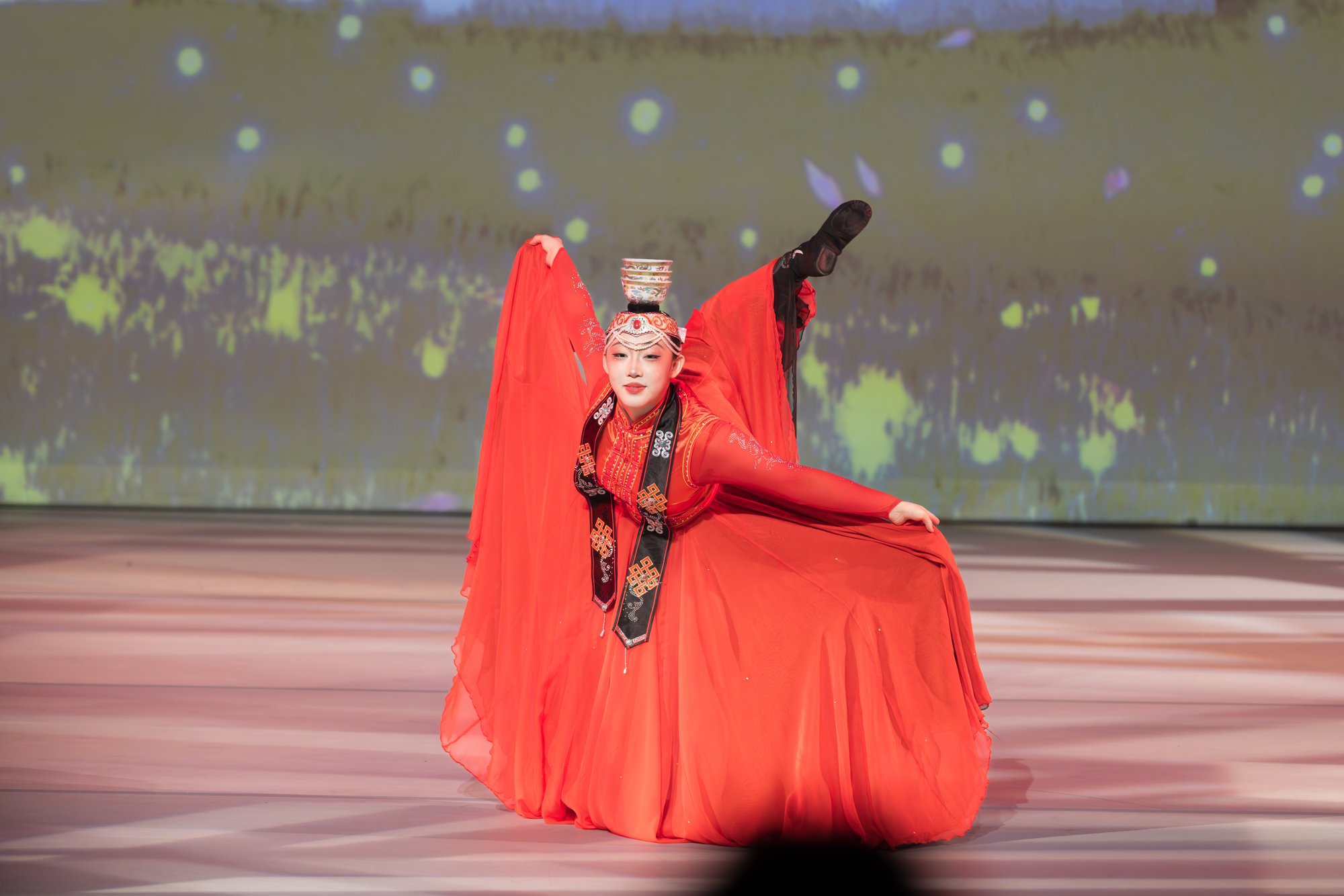
China's fifty-six ethnic groups each contribute distinct folk vocabularies — from the vibrant Han fan dances to the graceful Dai peacock dance and the spirited Mongolian bowl dance.
Traditional Costumes
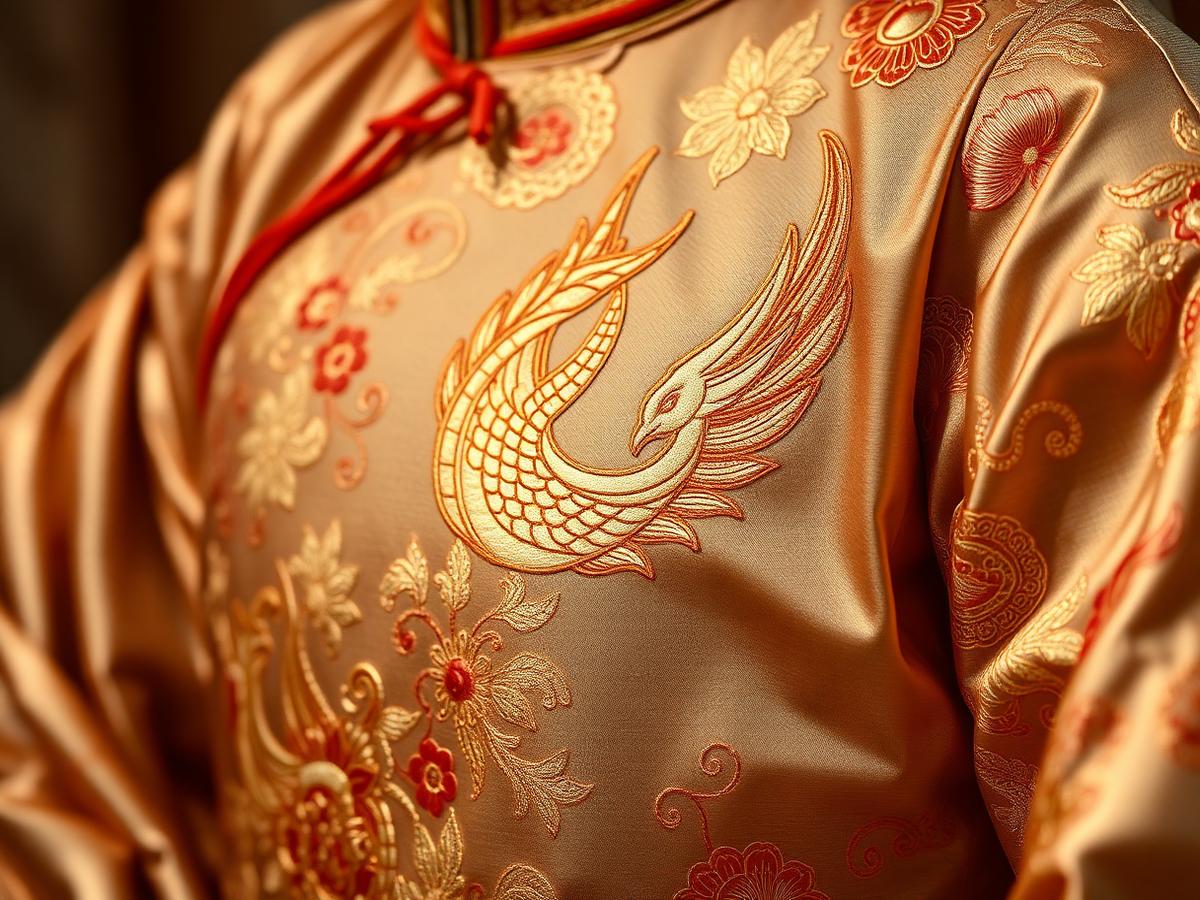
Silk, embroidery, and color carry meaning. From flowing hanfu to regionally specific ethnic dress, every costume is chosen to shape movement and honor its cultural source.
Dance Props
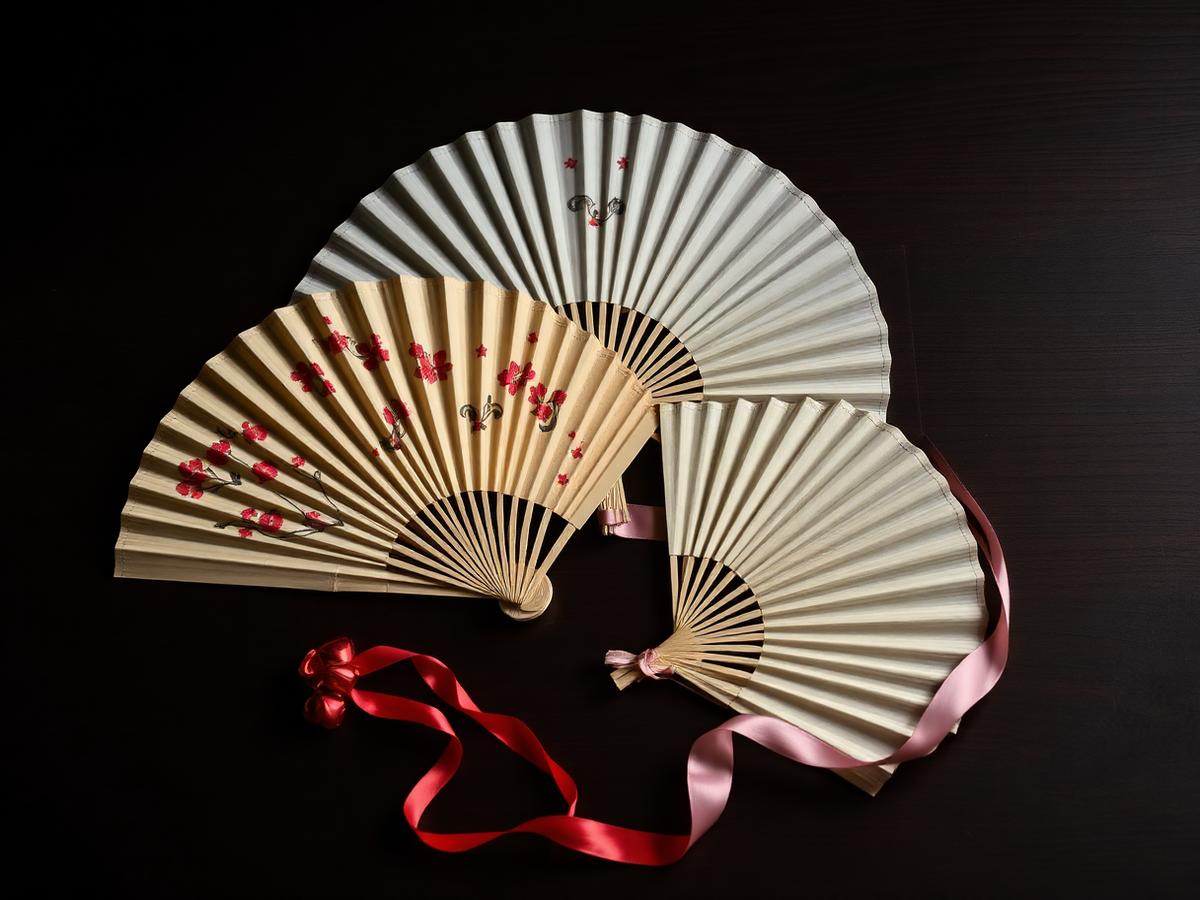
Fans, ribbons, water sleeves, umbrellas, drums, and handkerchiefs are extensions of the body — they draw lines in space and add narrative texture to the choreography.
A Living History
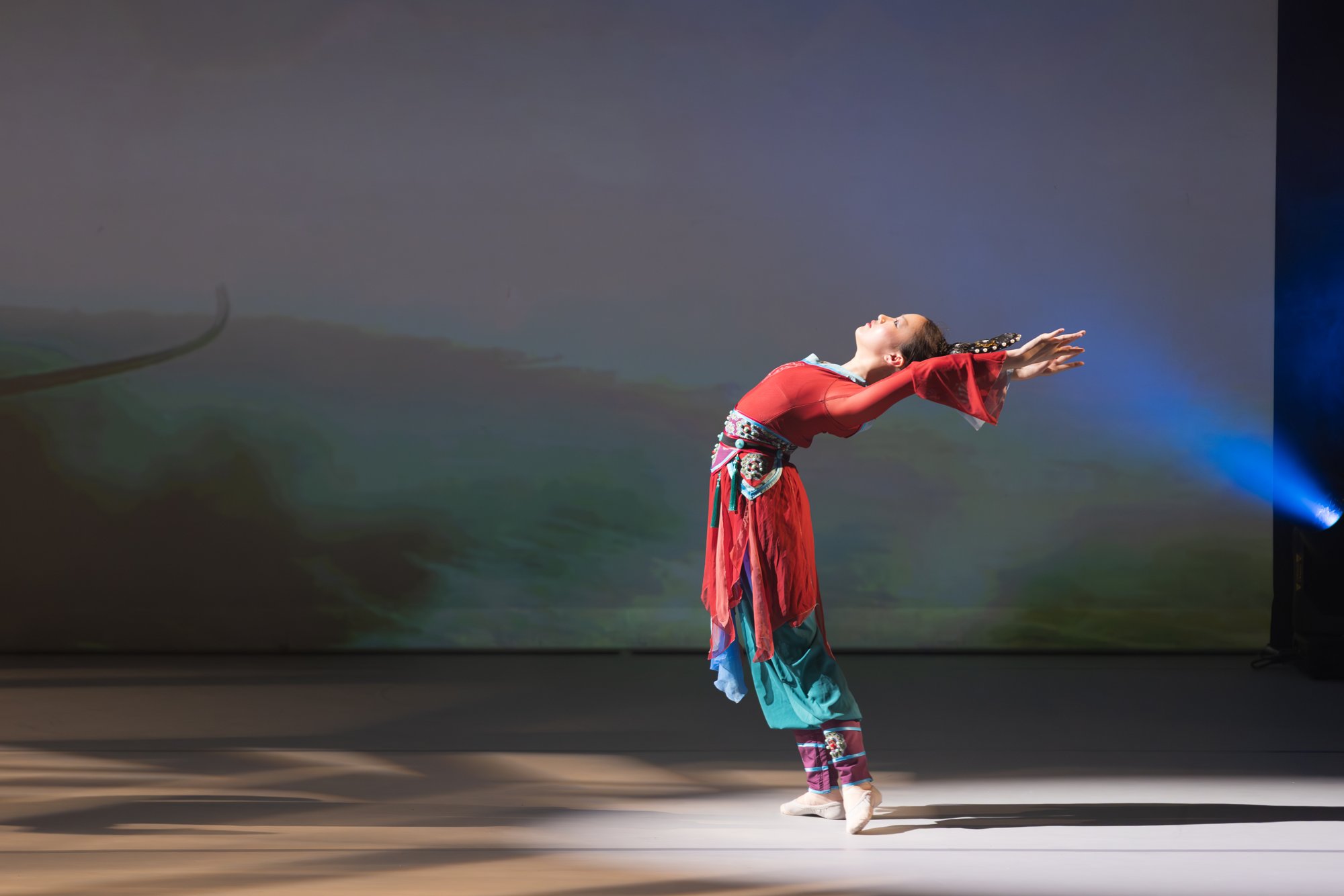
From Tang dynasty court dances to modern academy repertoires, Chinese dance has continually evolved. Today's artists carry that lineage into new stages and audiences worldwide.